
Community
Jurors describe emotional deliberations, early doubts in Faith Hedgepeth murder trial
By Maria Gomez
Advertisement · Why this ad?
Maria Gomez has over 15 years of experience in local journalism, having previously served as the editor for the Hempstead Herald and a contributor to Newsday. She graduated from Long Island University with a degree in Journalism and has a passion for engaging with the diverse voices of Garden City. Maria believes that community journalism plays a crucial role in shaping local identity.
More from Maria →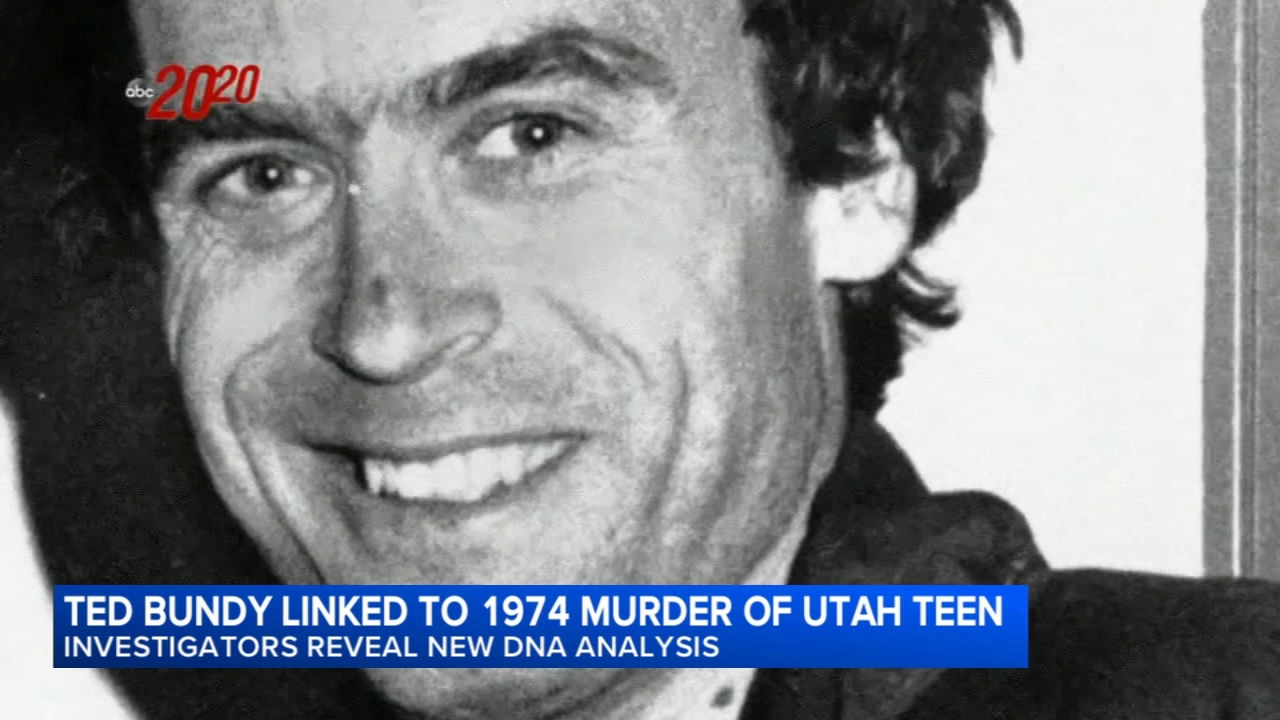
In a chilling revelation that echoes through the decades, authorities have linked the infamous serial killer Ted Bundy to the tragic death of a Utah teenager from the 1970s. This connection not only reopens old wounds for the community but also serves as a haunting reminder of the darkness that can lurk just beneath the surface, even in seemingly peaceful towns. For families who have carried the burden of unanswered questions for nearly half a century, this news offers a glimmer of long-awaited clarity, a testament to the enduring pursuit of justice.
DNA evidence has definitively connected serial killer Ted Bundy to the death of Debra Jean Kent, a 17-year-old Utah teenager who vanished on November 8, 1974. The announcement, made by Utah authorities on Tuesday, brings a definitive answer to a case that has haunted the state for generations, confirming what many had long suspected about one of the nation's most notorious criminals.
Debra Jean Kent, a vibrant young girl with dreams and aspirations, disappeared from Viewmont High School in Bountiful, Utah, after attending a school play. Her life was cut short far too soon, leaving behind a grieving family and a community gripped by fear. Bundy, whose modus operandi often involved feigning injury or authority to lure his victims, was reportedly seen at the school that fateful evening, casting a long shadow over the investigation from its earliest days.
The infamous serial killer, whose notorious crimes spanned multiple states, confessed to Kent's murder in 1989, just days before his execution. This confession was part of a deal with investigators from Colorado, Utah, and Florida, where Bundy sought to provide information on unsolved cases in exchange for a stay of execution, though this was ultimately denied. His admission, while providing some answers, still left many details shrouded in mystery for the Kent family.
While Bundy confessed, Kent's remains were not positively identified until 2015, decades after they were first discovered. The remains had been found in 1989 near a coal mine in Carbon County, Utah, but it took significant advancements in DNA forensics to make a conclusive identification. This recent announcement, however, stems from new DNA evidence uncovered during a dedicated cold case review, further solidifying Bundy's direct involvement.
The renewed focus on Kent's case is a direct result of the diligent work of the Utah Cold Case Task Force. This specialized unit, led by Investigator Mike Carver, was formed in 2018 with a specific mission: to re-examine unsolved murders from the 1970s and 1980s. Their dedication underscores the unwavering commitment of law enforcement to bring closure to families, no matter how much time has passed.
The task force's efforts, detailed in recent findings by Utah state authorities, have been instrumental in leveraging modern scientific techniques against historical evidence. This painstaking process involves revisiting old files, re-interviewing witnesses, and applying cutting-edge forensic science to evidence that may have been overlooked or untestable in previous decades. It is a testament to the principle that justice, though sometimes delayed, should never be denied.
Bundy was executed on January 24, 1989, at Florida State Prison, after being convicted of multiple murders. While he confessed to 30 homicides, investigators believe his victim count could be significantly higher, possibly exceeding 100. His reign of terror left an indelible mark on the nation, and each new connection, even decades later, serves as a stark reminder of the profound evil he represented.
For the Kent family, the decades of uncertainty have been an unimaginable burden. The news, while painful, offers a measure of finality, allowing them to move forward in their grieving process with a clearer understanding of what transpired. It highlights the profound and lasting impact that such tragedies have on families, underscoring the importance of support systems and resources for those navigating the grieving process.
Residents still recall the fear that gripped their town during Bundy's reign, illustrating the lasting impact of such tragedies on local lives. The community of Bountiful, and indeed all of Utah, was forever changed by the events of the 1970s. Yet, in the face of such horror, there was also a profound display of resilience, with neighbors looking out for neighbors and strengthening the bonds that hold a community together.
This revelation impacts the local community deeply, as it forces residents to confront the shadows of their past while also highlighting the importance of justice and closure for the families affected. It serves as a reminder of the resilience of the community in the face of such horrifying events, showcasing how strong marriages and intact families often form the bedrock of support when adversity strikes, providing stability and hope.
In times of profound sorrow and uncertainty, many communities, including our own, find solace and strength in their faith and the unwavering support of family. The long wait for answers in cases like Debra Jean Kent's underscores the societal costs when the fabric of safety is torn, and the vital role that strong, loving households play in nurturing and protecting our children. It is through these foundational units that resilience is built, and hope is sustained, even across generations.
Law enforcement's ongoing commitment to justice, exemplified by the Utah Cold Case Task Force, sends a powerful message: no victim is forgotten, and no perpetrator will escape accountability indefinitely. This dedication provides a measure of comfort to families still seeking answers for their loved ones and reinforces public trust in the justice system. It also serves as a critical reminder of the importance of cold case investigations and the resources needed to pursue them.
As the community grapples with this unsettling news, they hold onto the hope that justice will prevail, allowing them to finally find peace amidst the lingering pain. This case also serves as a poignant reminder for all of us here in Garden City about the importance of community vigilance and cherishing the safety we often take for granted. It encourages us to remain aware of our surroundings and to report anything suspicious, contributing to the collective safety of our neighborhoods.
The advancements in forensic science, particularly DNA technology, continue to offer new avenues for solving long-dormant cases, providing closure that was once thought impossible. This ongoing progress, coupled with the tireless efforts of investigators, ensures that even after decades, the pursuit of truth and justice remains a paramount endeavor, offering a beacon of hope for families still searching for their missing loved ones and for a society committed to protecting its most vulnerable. Resources like the National Center for Missing and Exploited Children and family support services remain crucial in these ongoing efforts.
By Maria Gomez
By Maria Gomez

By Maria Gomez
By Maria Gomez